Right Pot Size for Repotting
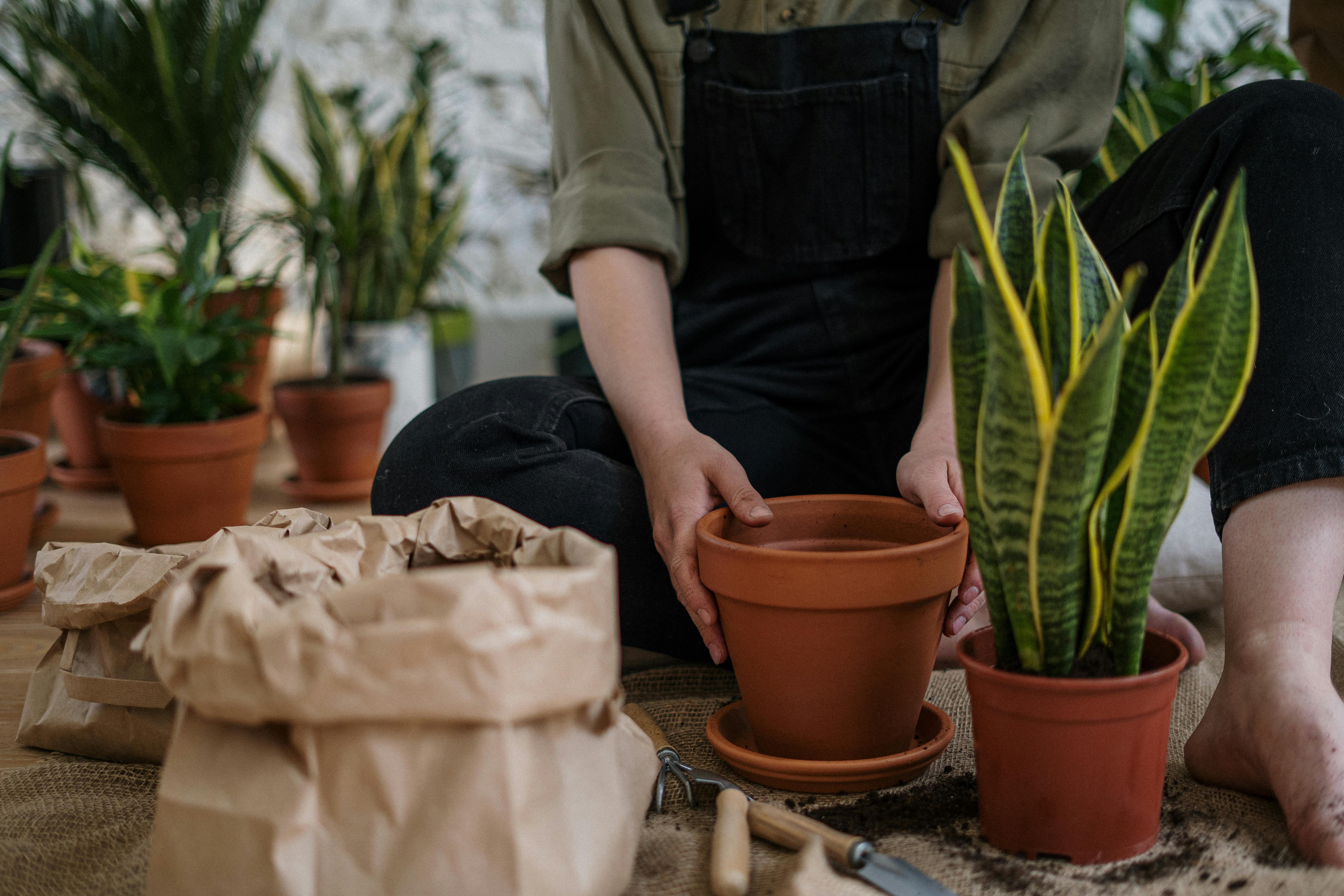
I used to think a bigger pot always meant a happier plant. Then I put a pothos in a container that was far too large, and the soil stayed wet for ages in my zone 6 winter apartment. Learning the right pot size for repotting saved me from a lot of avoidable root problems.
Pot Size for Repotting: How Much Bigger Should the New Pot Be?
In most cases, I only go up 1 to 2 inches wider than the current pot. That small jump gives roots room to grow without surrounding them with a huge amount of damp, unused soil. For broad repotting principles, I often reference the RHS houseplant growing guide and the University of Minnesota Extension houseplant pages.
My simple sizing rule by plant type
Small and medium houseplants
For pothos, philodendron, spider plants, and peace lilies, I usually move up one pot size only.
Fast growers with crowded roots
If roots are circling hard and the plant is in active growth, a 2-inch jump can make sense.
Slow growers and succulents
I stay conservative. Snake plants, ZZ plants, hoyas, and most succulents prefer tighter quarters than beginners expect.
If you garden indoors and outdoors, the USDA hardiness zone map is useful context because climate affects how quickly roots and soil dry, especially if you summer plants outside.
When I do not size up
If a plant is struggling from overwatering, I sometimes refresh the soil without increasing pot size at all. If the root ball is small compared with the existing container, a larger pot usually makes things worse, not better. If you are troubleshooting soggy soil, see overwatered plant symptoms.
How pot material changes the decision
Terracotta dries faster than plastic or glazed ceramic, so I can sometimes get away with a slightly moisture-retentive setup in terracotta. In plastic, I stay more conservative. For container selection, see best pots for indoor plants.
Common Mistakes
- Jumping from a 6-inch pot to a 10-inch pot
- Repotting stressed plants into larger containers automatically
- Ignoring drainage holes
- Using dense soil in a larger pot
- Repotting right before low-light winter unless necessary
- Assuming roots need “lots of room” immediately
Quick Reference Care Table
| Current Pot | Typical New Pot | Best For | My Note |
|---|---|---|---|
| 4 inches | 5–6 inches | Small houseplants | Do not jump too far |
| 6 inches | 7–8 inches | Most medium plants | Ideal one-step upsize |
| 8 inches | 9–10 inches | Fast growers or rootbound plants | Use airy mix |
FAQ
Can I repot into a much larger pot to avoid repotting again soon?
I don’t recommend it for most houseplants. Extra soil holds extra moisture, which is the real problem.
Should I always go up a size when I repot?
No. Sometimes the plant just needs fresh soil, pruning, or better drainage—not a larger pot.
Do rootbound plants always want bigger pots?
Not always. Some plants like being snug. I size up based on growth rate and root density, not habit alone.
The safest pot size for repotting is usually smaller than most beginners expect. Tell me your current pot diameter and plant type in the comments below, and I’ll suggest how much bigger I’d go.

About the Author
Written by Sage Avery, a plant care writer at Plant Companion Guide. For how we create and update content, see our editorial policy.