Root Rot Early Rescue
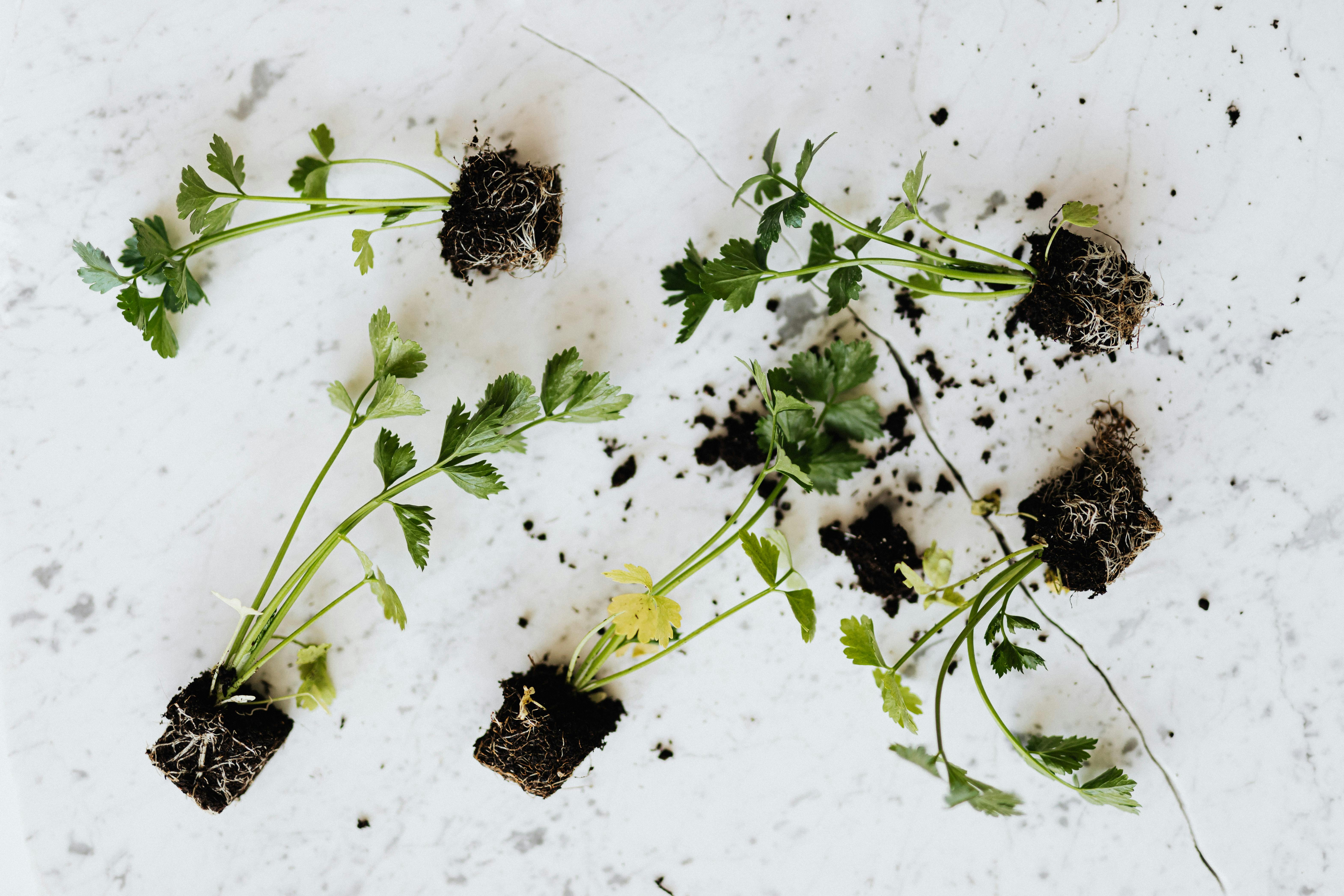
Root rot is the houseplant problem that humbled me the most. I once kept a nursery pot inside a decorative pot and didn’t realize the bottom was sitting in water. By the time leaves yellowed, the roots were already mushy. The good news is: if you catch root rot early, you can often save the plant by fixing the root zone conditions.
Root Rot: How to Spot It Early and Save Your Houseplant
Root rot is usually caused by soil staying wet too long, which reduces oxygen around roots. It’s less about one big watering and more about a pattern of slow dry-down.
Early signs I take seriously
If soil stays wet 7–10+ days, the pot smells sour, growth stalls during spring/summer, or leaves yellow while soil is wet, I investigate. For broad plant health and environment principles, I often start with guidance from the Royal Horticultural Society and then apply it to my exact light and temperature conditions.
My step-by-step rescue process
- Unpot the plant and rinse soil from roots.
- Trim black/mushy roots back to firm tissue.
- Let cut roots air-dry briefly.
- Repot into fresh airy mix in a pot with drainage.
If you want a watering framework that prevents repeat rot, see overwatered plant symptoms.
Aftercare (this is where rescues succeed or fail)
I water lightly once to settle the mix, then I wait longer than usual before watering again. Bright indirect light and airflow help roots regrow. For practical indoor growing fundamentals (especially seasonal slowdowns that increase rot risk), cooperative extension resources like University of Minnesota Extension are a helpful baseline.
Prevention: make your setup rot-resistant
Airy soil, proper pot size, and drainage holes prevent most cases. If you want a mix that dries predictably indoors, see houseplant soil mix recipe.
Seasonal note
Winter is root rot season in many homes because light drops and soil dries slowly. If you also summer plants outdoors, climate matters too; use the USDA Plant Hardiness Zone Map to understand seasonal timing where you live.
Common Mistakes
- Keeping old soggy soil after trimming roots
- Repotting into a larger pot after rot (more wet soil)
- Watering heavily right after a rescue
- Leaving plants in cachepots with trapped water
- Assuming yellow leaves always mean “water more”
- Ignoring low winter light and cold drafts
Quick Reference Care Table
| Stage | What You See | What I Do | Recovery Outlook |
|---|---|---|---|
| Early | Some mushy roots | Trim + repot airy | Good |
| Moderate | Many dark roots | Aggressive trim + smaller pot | Mixed |
| Advanced | Few healthy roots | Trim + consider propagation | Lower |
FAQ
Does hydrogen peroxide fix root rot?
I don’t treat it as a cure. The real fix is removing damaged roots and changing soil/pot conditions so roots get oxygen.
How do I know if I should unpot to check?
If decline is fast, soil is staying wet, or there’s a sour smell, I unpot. Waiting usually makes it worse.
When can I fertilize after root rot?
I wait until I see stable leaves and new growth. Fertilizer won’t help damaged roots and can stress a recovering plant.
Root rot is scary, but it’s often a solvable setup issue. Tell me how long your soil stays wet and what pot you’re using in the comments below, and I’ll help you troubleshoot your risk factors.

About the Author
Written by Sage Avery, a plant care writer at Plant Companion Guide. For how we create and update content, see our editorial policy.