Succulent Leaf Propagation Timeline
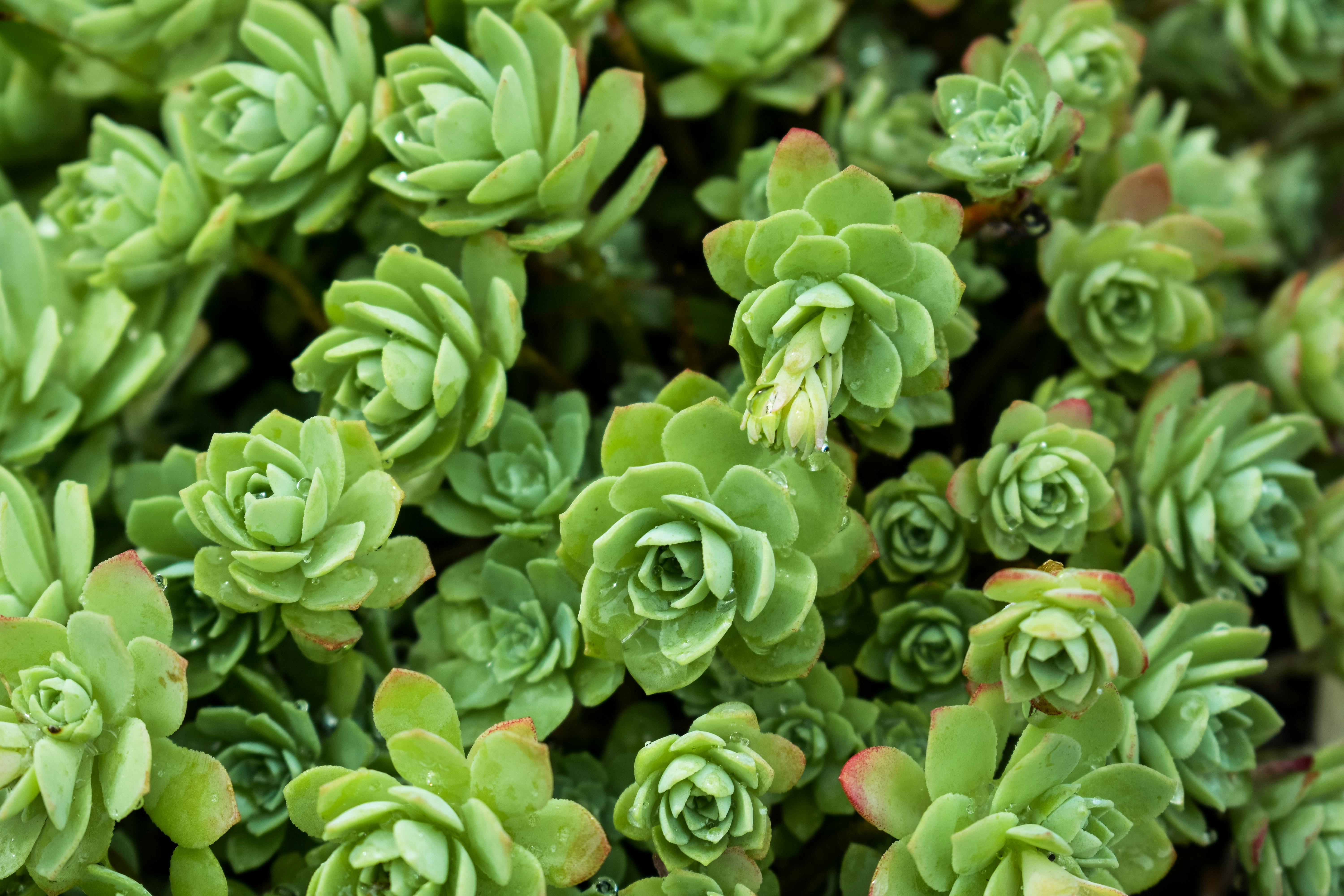
The first time I tried succulent leaf propagation, I “helped” so much that I rotted half the leaves. Once I learned to let leaves callus, keep them bright but not hot, and water far less than my instincts wanted, my success rate went way up—especially when I used a grow light during winter in my USDA zone 6 home.
Succulent Leaf Propagation: A Timeline and Tips for Higher Success
Leaf propagation works best for many rosette succulents like Echeveria, Graptopetalum (ghost plant), and some Sedum and hybrids. Not every succulent propagates well from leaves, so starting with easy types helps.
Step 1: choose good leaves and remove them cleanly
I twist leaves off gently so the base comes off clean (no tearing). If the leaf base is damaged, it often won’t produce pups. For broad plant propagation concepts, I sometimes start with general guidance from the Royal Horticultural Society and then rely on what these plants do best: slow, dry, steady.
My propagation timeline (what to expect)
Days 1–5: callusing
Leave the leaves dry on a plate. No misting.
Weeks 1–3: roots begin
Place leaves on dry gritty mix in bright indirect light. I still don’t water much yet.
Weeks 3–8: pups appear
Once roots and pups form, I water lightly near roots—never soaking the whole tray.
Months 2–6: potting up
When pups have a few leaves and roots, I move them to small pots.
Light and temperature (why winter needs extra help)
Warmth and bright light speed propagation. In winter, I use an LED for 12–14 hours/day. For practical indoor growing fundamentals shaped by season and environment, cooperative extension resources like University of Minnesota Extension are a helpful baseline for thinking about indoor conditions.
Soil and watering (less is more)
I use a gritty mix and water sparingly. Overwatering is the #1 failure point. If you need a simple distance plan for LEDs, see grow light distance for plants. If you want a beginner-friendly gritty blend idea, see best soil for houseplants.
Seasonal note
Propagation is often faster in spring/summer. Climate varies widely; the USDA Plant Hardiness Zone Map is a quick reminder of how different growing seasons can be across North America.
Common Mistakes
- Watering before leaves callus
- Using direct hot sun (cooks leaves)
- Soaking the tray instead of spot-watering
- Pulling the mother leaf off too soon
- Trying leaf propagation with damaged leaves
- Giving up during slow winter progress
Quick Reference Care Table
| Time | What You See | What I Do | Avoid |
|---|---|---|---|
| Days 1–5 | Callus forms | Keep dry | Any watering |
| Weeks 1–3 | Root nubs | Bright indirect light | Hot direct sun |
| Weeks 3–8 | Pups appear | Light watering near roots | Soaking the tray |
| Months 2–6 | Baby plant | Pot up small | Large pot too soon |
FAQ
Why do my leaves shrivel?
Some shriveling is normal as leaves feed pups. If they shrivel immediately, the leaf may be damaged or the environment too hot/dry.
Should I mist succulent leaves?
I avoid misting early. Once roots form, I water the soil near roots lightly instead of wetting the leaf surface.
How long until I have a new plant?
Often a few months. In bright warm months it’s faster; in winter it can be slow unless you add light and warmth.
Succulent leaf propagation rewards patience more than effort. Tell me what succulent you’re propagating in the comments below, and I’ll share what timeline I’d expect in your season and setup.

About the Author
Written by Sage Avery, a plant care writer at Plant Companion Guide. For how we create and update content, see our editorial policy.