Vertical Garden Ideas: Grow More Plants in Limited Space
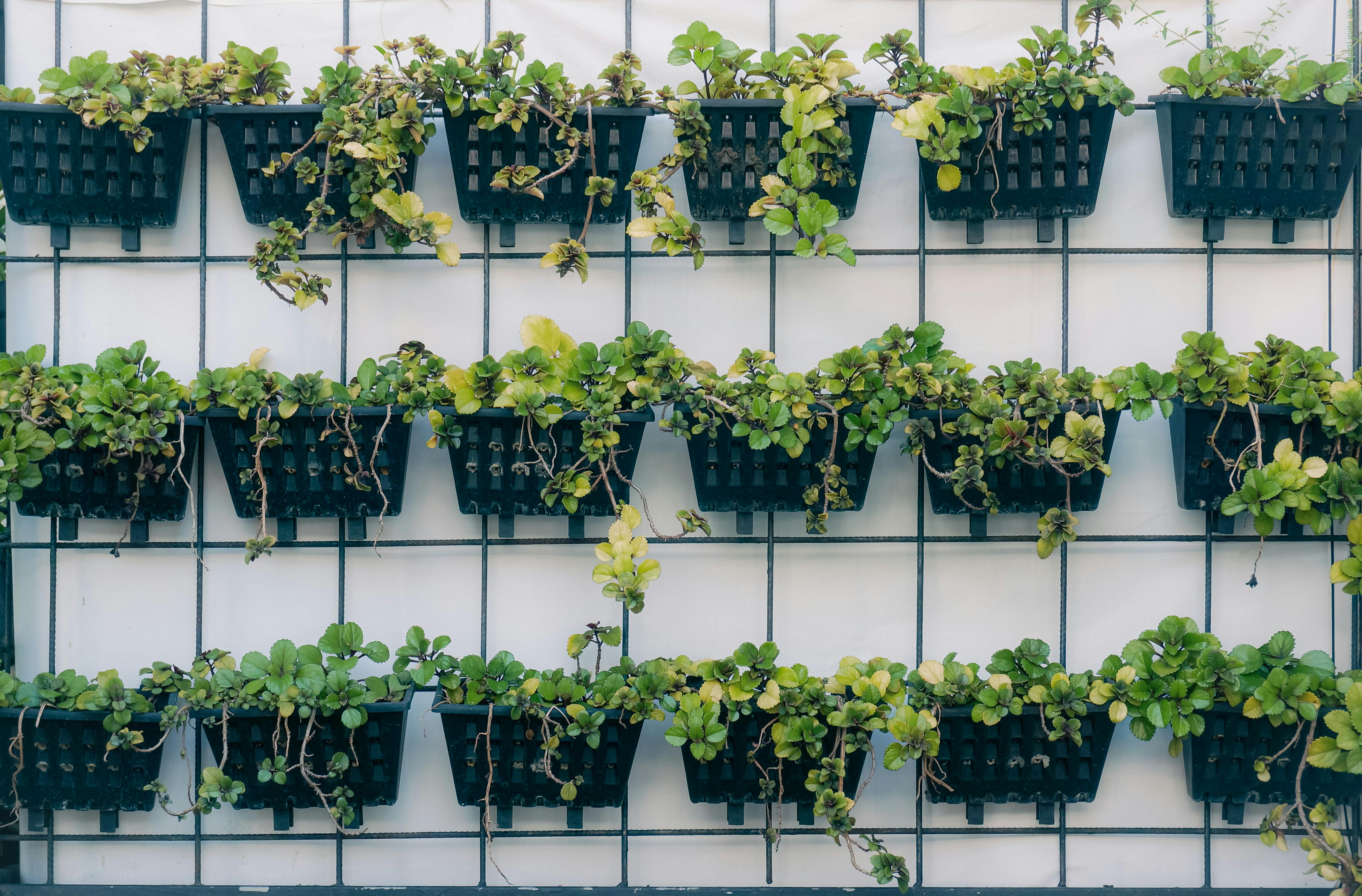
My balcony is forty-eight square feet. Before I started thinking vertically, I had six pots crowded on the floor and no room to move. After installing a simple cedar trellis panel against one wall, two hanging planter rails, and a three-tier shelf unit, that same forty-eight square feet now holds over thirty plants producing herbs, cherry tomatoes, pole beans, lettuce, strawberries, and a collection of trailing houseplants. Vertical gardening is not a landscaping trend — it's a space-efficiency solution, and in urban environments where outdoor space is precious, it's transformative.
Trellis and Wall-Mounted Systems
The simplest and most effective vertical gardening approach is training climbing and vining plants up a trellis, fence, or wall-mounted support structure. Pole beans, cucumbers, small pumpkins, and indeterminate tomatoes all benefit from vertical training — they produce more efficiently in vertical systems, take up minimal ground space, and are easier to harvest and monitor for pests. A six-foot trellis panel against a wall creates a productive growing column from twelve to twenty-four inches of ground space.
For wall-mounted growing, pocket systems — fabric or felt panels divided into individual planting pockets — work well for shallow-rooted crops like lettuce, herbs, spinach, and strawberries. They're lightweight, compact, and can be mounted on any fence or wall with adequate fasteners. The limitation is root depth: plants with deep or extensive root systems (tomatoes, squash, beets, carrots) cannot thrive in shallow pockets. According to The Old Farmer's Almanac's small-space gardening resources, vertical growing systems can increase productive yield per square foot by three to five times compared to flat in-ground planting of the same area.
Tiered Shelving and Tower Planters
Tiered plant stands and shelving units multiply floor space vertically by creating multiple levels of planting area from a single footprint. A three-tier outdoor shelving unit (approximately eighteen inches wide by forty-eight inches tall) creates the equivalent of three eighteen-inch plots stacked vertically, occupying only eighteen inches of floor space. These are excellent for succession-planted herbs, lettuce, and compact flowers. Position tiered shelving against a south or west-facing wall to maximize sun exposure across all levels — be mindful that lower levels receive less direct sun, which suits shade-tolerant plants like mint and parsley.
Tower planters — vertical tubes or columns with planting holes at intervals around the circumference — are purpose-designed for strawberries, herbs, and lettuce. They're compact (twelve to fourteen inches in diameter) and produce surprising yields from their multiple planting sites. Irrigation is the key management challenge: water added at the top must reach all levels evenly. Built-in or DIY drip irrigation through the center column solves this elegantly. For specific crop suggestions for vertical systems, see our strawberry container guide. For general small-space growing strategy, visit our square foot gardening guide.
Vertical Gardening Indoors
Vertical space indoors is equally underutilized. Wall-mounted plant shelves, hanging plant rails suspended from the ceiling, and macramé hangers transform empty wall space and ceiling areas into productive growing zones. Trailing plants — pothos, tradescantia, string of pearls, heartleaf philodendron, hoya — are natural candidates for elevated hanging positions. Plants hung from ceiling hooks in front of windows access bright light without competing with furniture below. Pegboard wall systems with adjustable hooks can support both small pots and hanging plants in customizable arrangements.
For indoor vertical growing of food plants, tower systems with grow lights work surprisingly well for lettuce, herbs, and microgreens. Dedicated indoor growing towers (like commercial aeroponic towers) represent the high end of this approach, but a simpler DIY version using tiered shelving and grow lights achieves similar results at significantly lower cost. Gardening Know How's indoor growing resources provide practical guidance on setting up effective indoor vertical growing systems for food production.
Best Plants for Vertical Growing
Not all plants suit vertical systems equally well. The best candidates for trellises and climbing systems include: pole beans, cucumbers, peas, indeterminate tomatoes (with support), small squash like 'Patio' types and 'Waltham Butternut' trained up strong trellises, and sweet potatoes (for ornamental trailing). For pocket and wall-planter systems: lettuce, spinach, arugula, strawberries, herbs (basil, mint, thyme, parsley), small annuals, and nasturtiums. For hanging baskets and elevated planters: cherry tomatoes ('Tumbling Tom' varieties are designed for hanging baskets), trailing herbs, fuchsia, and trailing petunias. For indoor vertical systems: virtually all trailing and climbing houseplants. According to University of Minnesota Extension's vegetable gardening resources, trellising indeterminate tomatoes vertically typically doubles productive yield per square foot compared to caged or sprawling growth patterns.
Common Mistakes to Avoid
- Using inadequate support structures: Loaded with mature tomatoes, cucumbers, or squash, a poorly anchored trellis becomes a plant-crushing hazard. Use robust supports rated for at least fifty to one hundred pounds.
- Planting root-deep crops in shallow pocket systems: Wall pocket planters suit shallow-rooted crops only. Deep-rooted vegetables need proper container depth.
- Ignoring irrigation needs: Vertical systems dry out faster than ground-level containers. Daily watering may be required in summer; install drip irrigation from the start.
- Shading lower plants with taller upper plants: Plan the vertical arrangement so taller plants don't shade shorter companions below. North-side taller plants shading south-side smaller plants is a common error.
- Overloading hanging systems: Ensure wall anchors, ceiling hooks, and hanging rails are rated for the combined weight of mature, water-saturated plants plus their containers.
Quick Reference Vertical Gardening Systems Table
| System Type | Best Plants | Space Needed | Key Consideration |
|---|---|---|---|
| Trellis/fence | Beans, cucumbers, tomatoes, peas | 12–24 inches deep | Strong anchoring |
| Wall pocket planters | Lettuce, herbs, strawberries, flowers | Wall space only | Shallow roots only |
| Tower planters | Strawberries, herbs, lettuce | 12–18 inches diameter | Irrigation management |
| Tiered shelving | Any container plant | 16–24 inches wide footprint | Light access on lower tiers |
| Hanging baskets | Trailing tomatoes, herbs, fuchsia | Overhead space | Weight rating of hooks |
Frequently Asked Questions
Do vertical gardens need special soil or fertilizer?
Vertical systems, particularly wall pocket planters and tower planters, use relatively small growing volumes that deplete nutrients quickly and dry out rapidly. Use a high-quality lightweight potting mix (avoid heavy garden soil or compost-heavy mixes that compact and impede drainage). Fertilize more frequently than ground-level containers — every one to two weeks with a liquid fertilizer during the growing season is not excessive for pocket systems. Consider slow-release granular fertilizer incorporated into the potting mix at planting for baseline nutrition between liquid applications.
Can I create a vertical garden without drilling into walls?
Yes. Freestanding trellis panels, tiered shelving units, and A-frame structures need no wall mounting. On balconies, railing planter hooks can support hanging baskets without drilling. Tension-mounted shower curtain rods or adjustable pressure-fit poles between floor and ceiling can support hanging systems indoors without permanent hardware. Leaning trellis panels against walls (weighted at the base by pots placed in front of them) work surprisingly well for climbing plants trained from the front.
How do I water a tall wall-mounted pocket planter system?
The simplest approach is a slow, thorough manual top-watering that allows water to cascade from the highest pockets downward, watering lower pockets naturally. This works for systems up to three to four pockets high. For taller systems, a simple drip irrigation kit (battery-powered timer, thin drip tubing, individual emitters placed in each pocket) provides reliable, consistent watering without daily manual attention. This investment in irrigation pays back immediately in plant health and water efficiency on vertical systems.
Vertical gardening opens a dimension of growing space that most gardeners never use — the walls and overhead zones of any patio, balcony, or indoor room. Once you start thinking vertically, every wall and ceiling becomes a potential planting site. Drop your vertical gardening questions in the comments below.

About the Author
Sage Avery is a passionate gardener and plant enthusiast sharing tips for a greener life.