Monstera in Water: Long-Term Guide for Healthy Roots
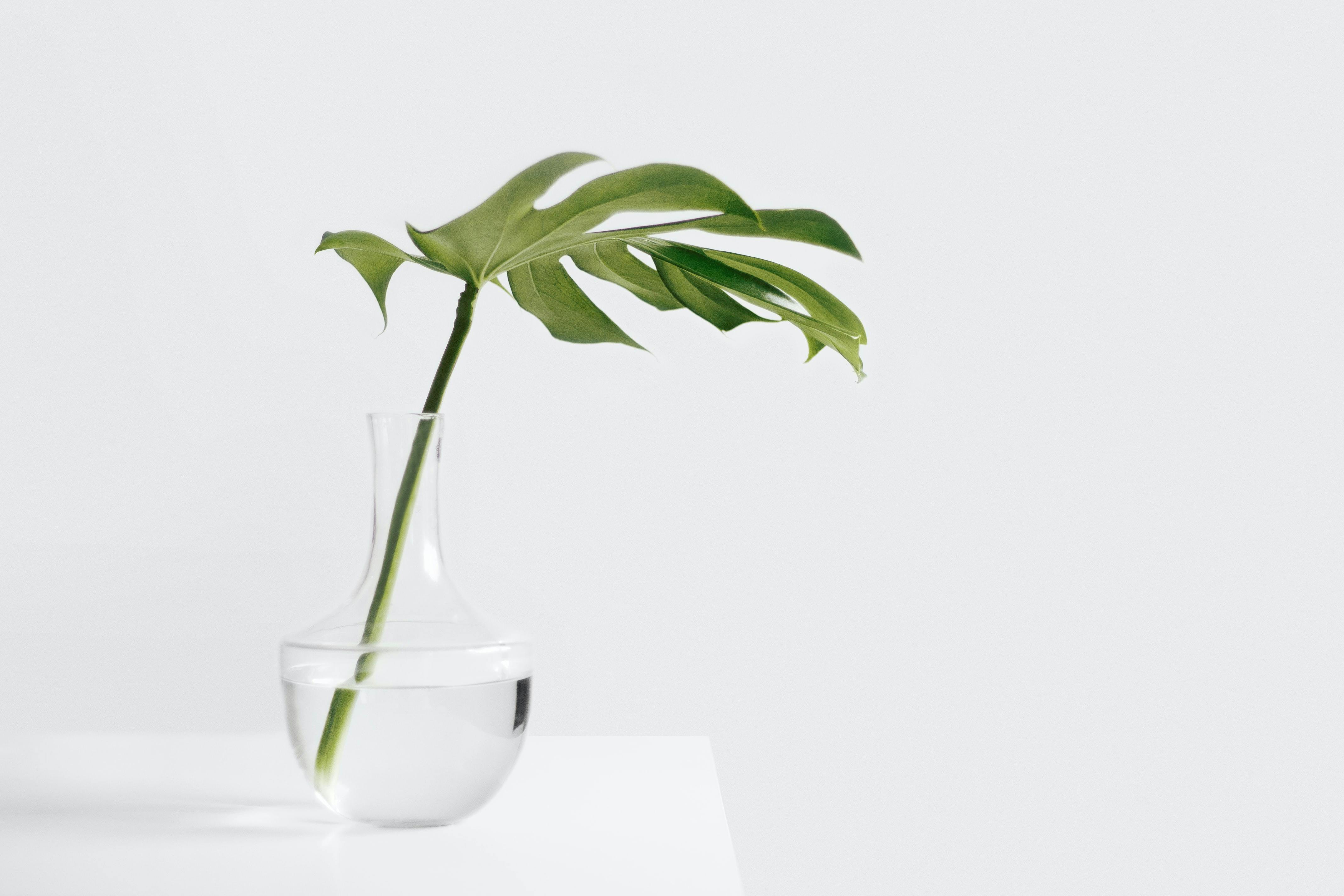
Monstera in water can work long term, but only if you treat it like water culture, not a forgotten cutting in a vase. Use bright indirect light, keep at least part of the roots exposed to air, change the water every 7-10 days, and add diluted hydroponic nutrients after roots form.
I like water-grown Monstera as a teaching setup. You can see every new root, every cloudy-water warning, and every algae problem before it turns mysterious. The tradeoff is simple: water culture is cleaner than soil, but it is less forgiving if you ignore nutrients and oxygen.
Key Takeaways
- Water is fine for rooting, display, or a small long-term Monstera.
- Plain water is not enough once the cutting starts making new leaves.
- Keep the node and roots clean, but do not scrub tender white roots.
- Move to soil when roots are 2-4 inches long if you want faster size.
Can Monstera in Water Live Long Term?
Yes, Monstera in water can live for many months or longer, but long-term growth depends on light, nutrients, oxygen, and hygiene. NC State Extension describes Monstera deliciosa as a climbing houseplant that can reach 6-8 feet indoors, so a permanent water setup has to support a real vine, not just a decorative leaf.
The key distinction is rooting versus growing. A fresh cutting can root in plain water because it is still using stored energy from the stem. A plant that keeps making leaves needs mineral nutrition. If you leave it in clean tap water forever, it may stay alive, but the leaves often get smaller and the roots brown faster.
In my experience, the best long-term candidates are small cuttings with one or two leaves and a visible node. Huge top cuttings look dramatic in glass, but they lose water through a lot of leaf surface before the root system can keep up.
What Setup Works Best for Growing Monstera in Water?
The best setup is a clear or amber vessel, 2-4 inches of root zone water, bright indirect light, and a stable cutting with the node submerged. UF/IFAS Extension notes that Monstera is most commonly propagated by stem cuttings, which is why the node matters more than the leaf.
Choose a vessel that holds the stem upright without pinching it. A narrow neck works for a single cutting. A wider jar is better once roots branch. Keep leaves above the water line, because submerged petioles rot faster than roots.
- Use a cutting with a node: A leaf without stem tissue will not become a full plant.
- Submerge roots, not leaves: Leaves and petioles decay quickly underwater.
- Leave an air gap: Do not fill the jar to the rim. Roots still need oxygen.
- Keep it out of hot sun: Direct sun heats the water and speeds algae growth.
- Stabilize the vine: Add a stake or clip before the stem leans hard.
- Use clean tools: Trim mushy tissue with disinfected scissors.
If your cutting is brand new, read the Monstera node cutting guide first. It explains the difference between a viable cutting and a leaf that will only look good for a few weeks.
Monstera in Water vs Soil: Which Is Better?
Water is better for watching root development, while soil is better for building a large, self-supporting plant. UF/IFAS says Monstera plants are adapted to well-drained soils and are not tolerant of flooded or excessively wet soil. That is the reason water culture needs a different routine than soggy potting mix.
| Growing method | Best use | Big advantage | Main risk |
|---|---|---|---|
| Plain water rooting | New cuttings for 4-8 weeks | You can watch roots form | No long-term nutrients |
| Long-term water culture | Small display plants | Clean, soil-free, easy to inspect | Algae, stale water, weak feeding |
| Semi-hydro with LECA | Growers willing to monitor nutrients | More root support and air space | Transition shock and salt buildup |
| Chunky soil mix | Large plants and moss-pole growth | Best support for fast foliage growth | Overwatering if the mix is too dense |
Water culture is not automatically safer than soil. It simply changes the failure points. In soil, people usually overwater. In water, people usually forget fertilizer, let the jar get slimy, or keep every root submerged with no air space.
For a direct propagation comparison, use our Monstera water vs soil propagation guide. This page focuses on the next question: what happens if you do not pot the cutting up?
How Often Should You Change Monstera Water?
Change Monstera water every 7-10 days, then rinse the vessel before refilling. Change it sooner if the water smells stale, turns cloudy, develops a film, or grows visible algae. Clean water is the easiest way to prevent most long-term water-culture problems.
I use room-temperature water and avoid shocking the roots with very cold water from the tap. If your water is heavily chlorinated or very hard, let it sit overnight or use filtered water. The goal is consistency, not perfection.
A simple weekly routine
- Lift the cutting gently and check for firm white, cream, or tan roots.
- Pour out old water and rinse the vessel with warm water.
- Trim only black, mushy, bad-smelling root sections.
- Refill so roots sit in water but the stem is not drowned.
- Add diluted nutrients if the plant is established and actively growing.
- Wipe algae from the glass before it coats the root zone.
A tiny bit of tan staining on older roots is normal. Slime, sour smell, and black collapse are not. When I catch rot early, one clean trim and a fresh jar usually saves the cutting.
Does Monstera in Water Need Nutrients?
Yes, Monstera in water needs nutrients once roots are established and new leaves are growing. NC State Extension lists Monstera as a rapid-growing plant under good conditions. Rapid growth cannot continue on plain water alone because tap water does not replace a balanced potting mix or fertilizer program.
Use a complete hydroponic nutrient at one-quarter to one-half label strength. Start weak. A water-grown houseplant with a small root system does not need the same concentration as a productive hydroponic vegetable crop. Too much fertilizer can burn roots and leave mineral crust around the jar.
When to start feeding
Wait until roots are at least 2 inches long and branching. Then feed lightly during spring and summer. In fall and winter, reduce or pause feeding if growth slows. If new leaves are pale, tiny, or slow despite good light, the cutting is probably underfed.
What not to use
Do not use thick organic fertilizers, compost tea, or random kitchen scraps in a water jar. They cloud the water and feed microbes faster than they feed the plant. Save organic amendments for soil. For water culture, clean mineral nutrients are easier to dose and monitor.
What Problems Mean Your Water-Grown Monstera Is Struggling?
The first warning signs are cloudy water, soft roots, yellowing lower leaves, smaller new leaves, and a sour smell. ASPCA also lists Swiss cheese plant as toxic to cats and dogs, so a low jar can create both plant problems and pet problems if animals chew leaves or drink from the vessel.
Do not panic at one yellow older leaf. Panic at a pattern: shrinking leaves, no new roots, persistent smell, or a stem that feels soft near the node. The node is the heart of the cutting. If it rots, the cutting usually cannot recover.
| Symptom | Likely cause | Best fix |
|---|---|---|
| Cloudy water after 1-2 days | Decaying tissue or dirty vessel | Clean jar, trim mushy roots, lower water line |
| Green film on glass | Algae from light hitting water | Clean weekly, use amber glass, move from direct sun |
| Black mushy roots | Rot and low oxygen | Trim affected roots, refresh water, leave air space |
| Small new leaves | Low light or low nutrients | Move brighter and add weak hydroponic feed |
| Stem soft at the node | Advanced rot | Cut above rot only if another viable node remains |
If your plant keeps declining even after cleanup, potting into a chunky mix may be kinder. Our Monstera soil guide covers the bark, perlite, and potting mix balance that keeps roots moist but airy.
When Should You Move Monstera from Water to Soil?
Move Monstera from water to soil when roots are 2-4 inches long and branching, especially if you want bigger leaves, a moss pole, or faster growth. Water roots can adapt to soil, but they need a gentler transition than roots that formed in potting mix.
Pot the cutting into a small container with drainage and a chunky, lightly moist mix. Keep the mix evenly damp for the first two weeks, because water-grown roots are used to constant moisture. After that, shift toward normal Monstera care: water thoroughly, then let the upper part of the mix dry.
Do not move a small cutting into a huge pot. Too much wet mix around a tiny root system creates the same rot risk that water growers were trying to avoid. If you are unsure about container sizing, the pot size and drainage principles apply to Monstera too: roots should fit the pot, not drown in it.
Frequently Asked Questions
Can Monstera live in water forever?
A Monstera cutting can live in water for months or longer, but it needs more than a pretty jar. Give it bright indirect light, clean water, a small dose of hydroponic nutrients, and some root oxygen. Without nutrients, long-term growth usually slows.
How often should I change water for Monstera?
Change Monstera water every 7-10 days, or sooner if it smells stale, turns cloudy, or grows algae. Top off between changes if the level drops. Rinse the jar and roots gently during full changes so organic film does not build up.
Does Monstera in water need fertilizer?
Yes, long-term Monstera in water needs diluted hydroponic nutrients once roots are established. Plain water can support a cutting while it roots, but it does not provide a steady supply of nitrogen, potassium, calcium, and trace nutrients for ongoing leaf growth.
When should I move Monstera from water to soil?
Move Monstera from water to soil when roots are 2-4 inches long and branching, especially if you want a larger plant. Pot it into a chunky, moist mix, keep it evenly damp for the first two weeks, then shift to normal Monstera watering.
Is Monstera in water safe for pets?
No. ASPCA lists Swiss cheese plant, Monstera deliciosa, as toxic to cats and dogs because it contains insoluble calcium oxalates. Keep both the leaves and water vessel out of reach, especially if pets chew houseplants or drink from jars.
Growing Monstera in water is worth trying if you enjoy close observation and a tidy, soil-free display. Just be honest about the maintenance. Clean water, weak nutrients, and a little root oxygen are the difference between a thriving water-grown cutting and a leaf slowly fading in a vase.

About the Author
Written by Sage Avery, a plant care writer at Plant Companion Guide. For how we create and update content, see our editorial policy.