Monstera Node Cutting Guide: Where to Cut and How to Root It
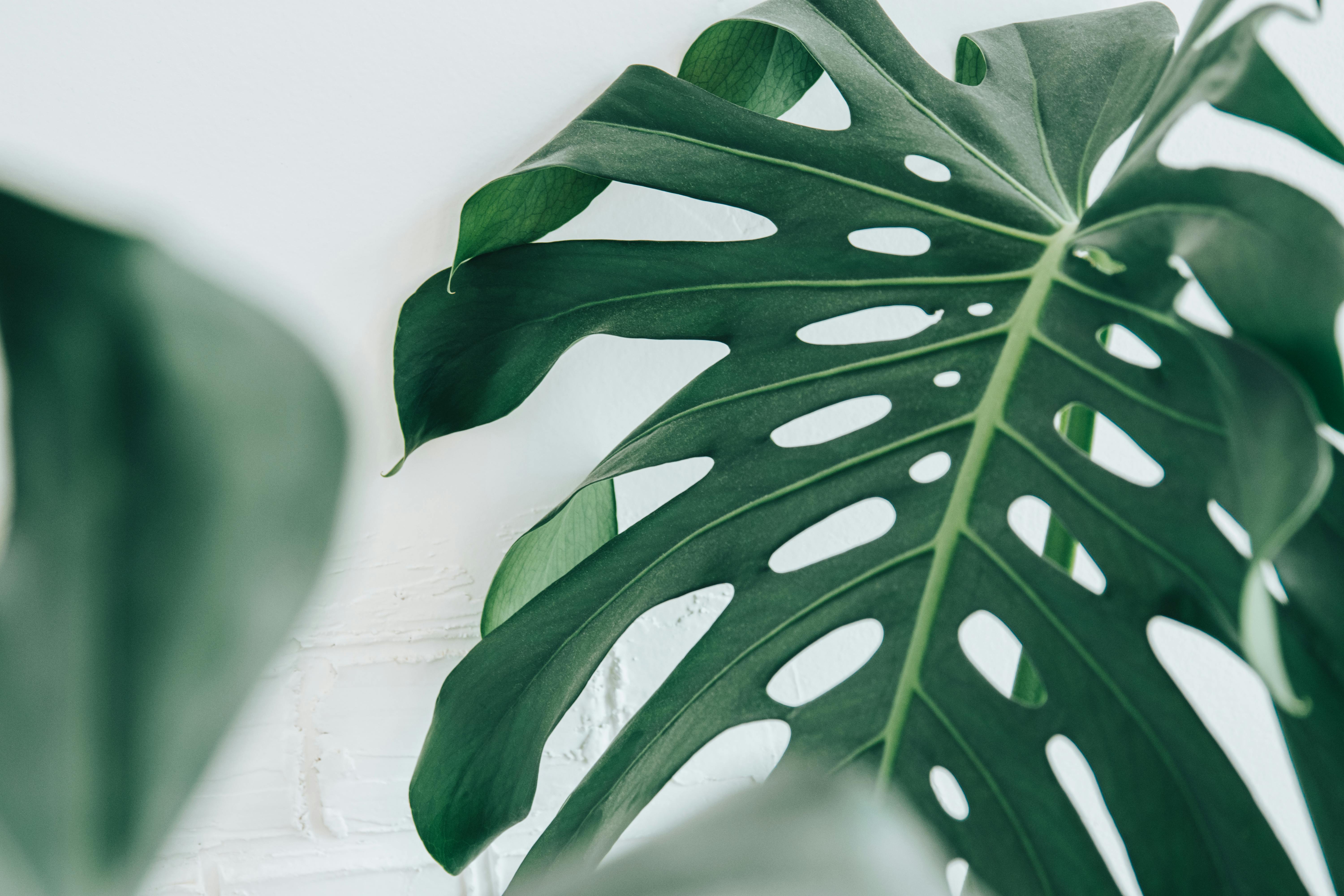
A Monstera cutting needs a node. That is the part of the stem that can push new roots and a new vine. A leaf by itself can sit in water and look hopeful for weeks, but without a node it will not become a new Monstera plant. The safest cutting has one healthy leaf, one clear stem node, and ideally an aerial root nub or short aerial root.
For most home growers, I would cut about half an inch below the node with clean pruners, keep the node above rot-prone mushy tissue, and root the cutting in water, moist sphagnum, or a chunky propagation mix. UF/IFAS Extension notes that Monstera is commonly propagated by stem cuttings, and this is the detail that matters most: the usable piece is stem, not just leaf.
What Counts as a Monstera Node?
The node is the slightly swollen joint on the vine where a leaf petiole, aerial root, or dormant growth point connects to the main stem. On mature Monstera vines, it often looks like a ringed bump or knuckle between leaves. Sometimes the node is easy to see because an aerial root is already emerging. Sometimes it is half-hidden under the petiole sheath, especially on younger growth.
A leaf stem, also called a petiole, is not enough. The petiole connects the leaf blade to the vine, but it does not contain the same growth point as the main stem. If your cutting is just a leaf with a long petiole and no piece of vine attached, treat it as a temporary leaf display rather than a propagation cutting.
Viable Cutting Checklist
| Cutting Part | Do You Need It? | Why It Matters |
|---|---|---|
| Stem node | Yes | This is where new roots and future vine growth can develop. |
| Leaf | Strongly preferred | A leaf helps the cutting make energy while roots form. |
| Aerial root | Helpful, not required | An aerial root can speed establishment, but a node can root without one. |
| Long bare stem | No | Extra stem usually just adds rot risk below the node. |
| Healthy parent plant | Yes | Pest-free, firm stems root more reliably than weak or rotting sections. |
Where to Cut a Monstera Node
Cut below the node, leaving about half an inch of stem under it. If there is a long aerial root, you can keep it attached. If it is dry, cracked, or rotting, trim only the damaged part. Use clean, sharp pruners and avoid crushing the stem. A ragged cut gives rot more surface area to work with.
Purdue Extension's guide to new plants from cuttings recommends making stem-cutting cuts just below a node and keeping cuttings in bright light without direct sun while roots form. That lines up well with Monstera: warm, bright, indirect light is much safer than a hot windowsill.
Water, Sphagnum, or Soil?
Water is easiest if you are new to propagation because you can see the roots. Use a clean jar, keep the node submerged, keep leaves out of the water, and change the water every few days if it clouds. Pot the cutting once several roots are about one to two inches long.
Sphagnum moss is useful when you want more air around the node than water provides. It should feel damp, not dripping. I like it for single-node cuttings with small aerial roots because the moss wraps around the node without burying the leaf petiole too deeply.
A chunky soil or propagation mix is best if you want fewer transition problems later. Use something airy: potting mix with plenty of perlite and bark, or a temporary 50/50 perlite and coco coir blend. The node should sit in contact with the mix, but the mix should never stay soggy. If your houseplant mixes tend to hold water too long, read the Monstera soil guide before potting the cutting permanently.
Step-by-Step Monstera Node Propagation
- Choose a firm vine section with one healthy leaf and one visible node.
- Wipe pruners with alcohol, then cut about half an inch below the node.
- Remove any mushy tissue, damaged leaf material, or rotting aerial root tips.
- Let the cut end sit for 20 to 30 minutes while you prepare the jar or mix.
- Place the node in water, damp sphagnum, or a chunky propagation mix.
- Keep it in bright indirect light and warm room temperatures.
- Check weekly for root growth, rot, and water or moss freshness.
- Pot it when roots are established and new growth begins or roots reach about one to two inches.
Common Mistakes
- Rooting a leaf with no node: It can stay green, but it will not grow a new vine.
- Burying the petiole too deep: The leaf stem can rot if it sits in wet mix.
- Letting water get stale: Cloudy water and a slimy stem base are early warning signs.
- Putting the cutting in direct sun: A cutting without roots loses water faster than it can replace it.
- Waiting too long to pot water roots: Very long water roots can break during the move to soil.
- Using a dense permanent mix too early: Young roots need oxygen as much as moisture.
When to Pot the Cutting
Pot the cutting when it has several short roots rather than one fragile strand. For water cuttings, one to two inches is enough. For moss or soil cuttings, a gentle tug should feel slightly resistant. Do not yank the cutting out to inspect it every few days. That tears new roots, which are softer than they look.
Use a small pot with drainage. Oversized pots hold too much wet mix around a tiny root system. I usually start Monstera cuttings in a four-inch nursery pot, then size up after the plant has filled that pot with roots. If you are unsure about container material, the terracotta vs plastic pots guide will help you pick the safer option for your watering habits.
Frequently Asked Questions
Can a Monstera cutting grow without a node?
No. A Monstera leaf without a stem node may stay green for a while and may even grow roots, but it cannot grow a new vine because it has no growth point.
Should I root a Monstera node cutting in water or soil?
Both work. Water is easier for beginners because you can watch the roots form. Soil or a chunky propagation mix gives roots a smoother transition into a permanent pot. For a direct comparison, see the guide to propagating Monstera in water vs soil. If you want to keep the rooted cutting in a vase, follow the Monstera in water care routine instead of treating it like a temporary propagation jar.
How long should Monstera roots be before potting?
Pot the cutting when several roots are about one to two inches long. Waiting for very long water roots can make the move to soil rougher because those roots break more easily.
A good Monstera cutting is not complicated, but it does need the right piece of plant. Find the node, keep the cutting clean and warm, and give the new roots air as well as moisture. That is the difference between a leaf sitting in a jar and a real new plant.

About the Author
Written by Sage Avery, a plant care writer at Plant Companion Guide. For how we create and update content, see our editorial policy.