Philodendron Care: A Simple Routine for Healthy Growth
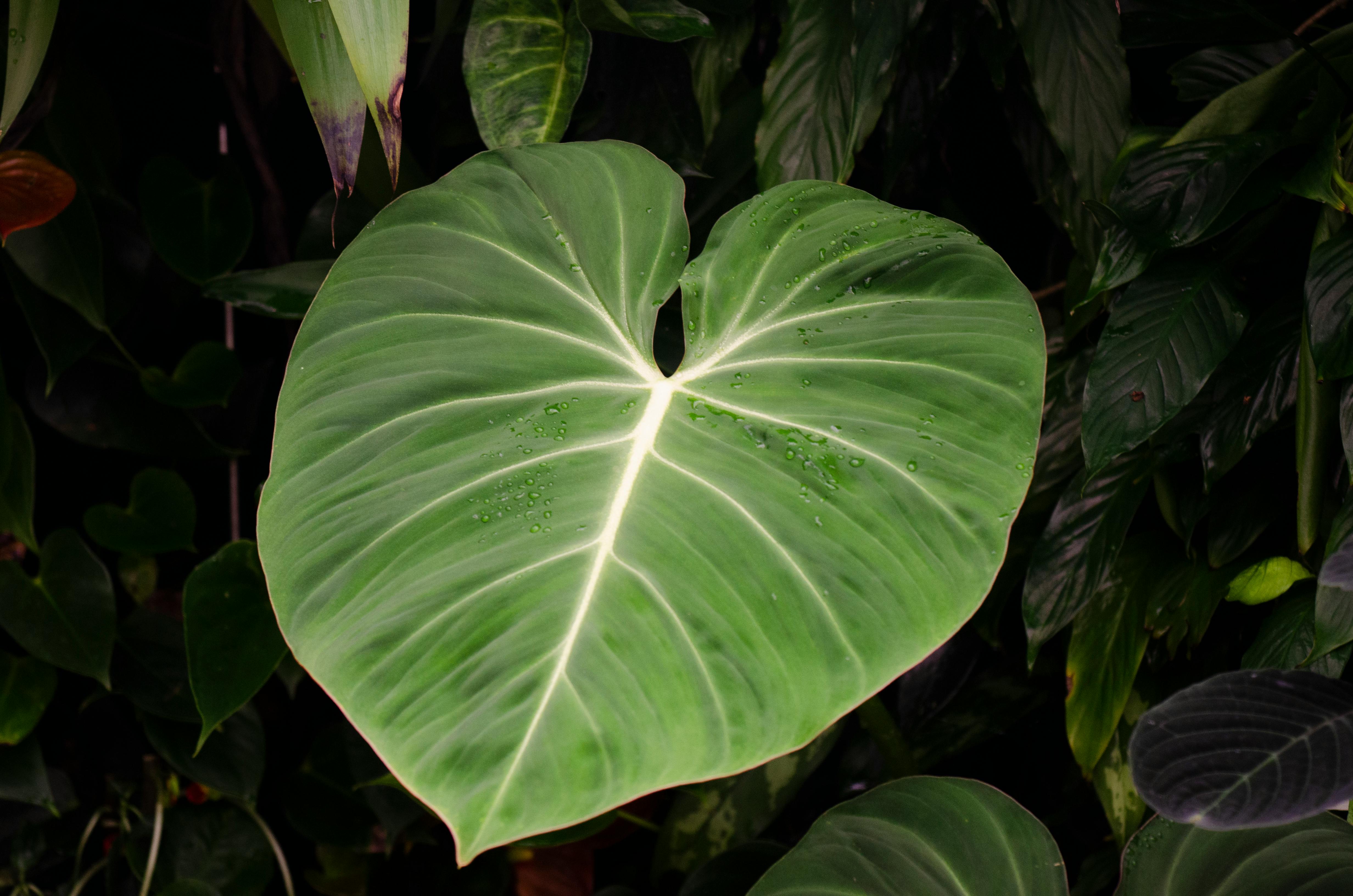
Philodendron care starts with bright indirect light, a loose moisture-retentive mix, and watering only after the surface begins to dry. Keep the plant above 59°F (15°C), let excess water drain, and feed only during active growth. Most problems trace back to slow-drying soil, harsh sun, cold drafts, or too little light.
This routine works for common climbing and self-heading philodendrons, but watch the plant rather than forcing it onto a calendar. A heartleaf philodendron, Philodendron hederaceum, tolerates more shade than many showpiece species. It still grows fuller and makes larger leaves when the light, root zone, and support suit its natural climbing habit.
Key Takeaways
- Give philodendrons bright, indirect light and protect them from strong summer sun.
- Check the mix before watering, then soak it fully and empty the saucer or cachepot.
- Use a loose, well-drained mix and move up only a few centimetres when repotting.
- Diagnose several symptoms together before changing light, water, or fertilizer.
What Philodendron Care Routine Works Indoors?
A good philodendron routine is short and responsive. Check light and leaf posture weekly, test the mix before watering, inspect new growth for pests, and adjust feeding as growth changes. The Royal Horticultural Society's philodendron guide recommends indirect light, temperatures above 59°F (15°C), slight drying between waterings, and feeding during the growing season.
Trailing heartleaf types can hang, but they develop a stronger, leafier look when allowed to climb. Upright cultivars keep their shape without a pole and need more floor or shelf space as they widen. These growth habits change how you train the plant, not the basic light, water, and soil rules.
| When | Care check | What to do |
|---|---|---|
| Every few days | Light, leaf posture, surface moisture | Turn the pot if growth leans; do not water from the date alone |
| When the surface dries | Moisture below the top layer | Water thoroughly, let it drain, and empty standing water |
| Monthly in active growth | New leaves, pests, fertilizer need | Inspect undersides and feed only as the product label directs |
| Seasonally | Slower growth, colder windows, root crowding | Reduce watering pressure, pause unnecessary feeding, and repot only if needed |
The most useful habit is to record the watering date, how the mix felt, and what changed afterward. That simple note separates a one-off old leaf from a repeating pattern. It also prevents the common cycle of responding to every yellow leaf with more water.
How Much Light Does a Philodendron Need?
Most philodendrons grow best in bright, indirect light, while heartleaf philodendron can tolerate shade. Missouri Botanical Garden recommends bright indirect light for Philodendron hederaceum, warns against full sun, and notes that very dark conditions produce spindly stems. Use the plant's spacing and leaf size as practical light signals.
Choose a position by the light, not the window label
Start where the plant receives a broad view of the sky without hot rays landing on the leaves for hours. A sheer curtain can soften strong exposure. Room layout, outdoor trees, nearby buildings, and season all change the light, so a fixed distance from a window is less useful than watching the foliage.
Long bare spaces between leaves, weak leaning growth, and progressively smaller leaves suggest the plant needs more light. Pale or scorched patches on the side facing the glass suggest too much direct sun. Move the plant gradually, then judge the new growth rather than expecting old damage to reverse.
Use a grow light as a measured substitute
A grow light helps when the room stays dim or winter days shorten, but distance and duration depend on the fixture. Follow the maker's coverage guidance and begin conservatively. If the plant bleaches or the leaves feel unusually warm, increase the distance; if growth stays stretched, improve the intensity or placement.
When Should You Water a Philodendron?
Water a philodendron when the top of the mix has dried slightly, then soak the entire root ball and let excess water leave the pot. RHS cautions against saturated compost and standing water because both can lead to root rot. The interval will change with light, temperature, pot size, material, and season, so checking the mix beats a weekly schedule.
Use a three-part watering check
- Feel below the surface: Test more than the loose top crumbs. The mix should feel drier near the top but not bone-dry throughout.
- Notice the pot: A recently watered container feels heavier. Learning that change provides a useful second signal.
- Water the whole root zone: Apply water evenly until it drains, then discard everything collected in the saucer or cachepot.
Do not give small sips to a chronically wet plant. That keeps the upper mix damp without confirming what is happening deeper in the pot. If the container remains heavy and the mix stays wet, improve light and drainage before reaching for the watering can again.
Drooping is not a complete diagnosis. Dry mix and a lighter pot support an underwatering diagnosis, while wet mix, yellowing, and soft tissue point elsewhere. Our overwatering vs underwatering guide shows how to compare the whole symptom pattern.
What Soil, Pot, and Fertilizer Work Best?
Philodendron roots need a mix that holds some moisture but still drains and admits air. RHS recommends loose, free-draining compost. Its example combines two parts orchid compost with one part peat-free ericaceous compost at a slightly acidic pH of 5 to 6.
A quality indoor potting mix amended with bark or another coarse, stable component can work well. Avoid outdoor garden soil in a container because its structure may become dense indoors. For ingredient choices and plant-specific adjustments, use our houseplant soil and mix guide.
Keep the pot close to the root ball
Choose a clean pot with open drainage holes. Move up only a few centimetres when the roots become densely packed. RHS warns that a much larger pot stays wet longer and raises the risk of root rot.
A decorative pot without holes should act only as a cachepot around a drained nursery pot. Take the inner pot out to water, let it drain, and empty the outer pot before putting the plant back.
Repot when roots fill the container, drainage has become difficult, or the mix has broken down. Do not repot just because a calendar says a year has passed. If the plant was recently purchased, our guide to repotting plants after buying helps decide whether to wait.
Feed the growth you actually have
Use a general houseplant fertilizer during active growth, following its label for dose and frequency. RHS advises feeding from spring into early autumn, when philodendrons are usually producing leaves. Reduce or pause feeding when growth slows because of low seasonal light.
More fertilizer cannot repair poor light, damaged roots, or saturated mix. If leaf edges brown after repeated feeding or a crust forms on the mix, review the dose and water quality. Our fertilizer burn recovery guide covers the safer checks before adding another dose.
Do Philodendrons Need High Humidity and Warm Rooms?
Common philodendrons prefer warmth and moderate humidity, but many adapt to ordinary household air. RHS says to keep them above 59°F (15°C) and away from hot radiators and cold drafts. Most are comfortable in the lower humidity found in homes, so stable conditions matter more than constant misting.
NC State Extension also recommends warm temperatures, bright indirect light, and moist, well-drained soil rich in organic matter. If dry air is affecting a sensitive cultivar, a humidifier gives more consistent control than occasional misting. Keep air moving around grouped plants and avoid leaving foliage wet in a stagnant corner.
Seasonal care should follow growth. A cooler, dimmer room slows water use, so the same pot stays moist longer. Move the plant away from cold glass, check the mix less aggressively, and restart regular feeding only when stronger new growth returns.
How Do You Train, Prune, and Propagate a Philodendron?
Train climbing philodendrons upward if you want larger, more closely spaced leaves, or let them trail for a softer shape. Missouri Botanical Garden notes that heartleaf philodendron can climb a support or trail from a hanging container. Secure stems loosely so the ties guide growth without cutting into it.
Prune leggy stems just above a healthy node using clean cutters. Pinching or trimming encourages branching lower on the plant and prevents one vine from taking all the space. Remove damaged leaves at the petiole only after you have corrected the cause, since pruning alone does not fix light or root problems.
Heartleaf philodendron propagates from stem cuttings, and each cutting needs at least one node because roots and new growth emerge there. Root the node in a suitable medium, keep it warm in indirect light, and pot it once it has a useful root system. A leaf without a node may stay green for a while but cannot build a complete new vine.
What Do Common Philodendron Problems Mean?
Philodendron problems become easier to solve when you compare the leaf pattern with the root-zone condition. One symptom can have several causes, so check moisture, light, temperature, and pests before acting. Change one major factor at a time and judge the next leaves, since old yellowing or scorch will not turn green again.
| What you notice | Likely causes | Best next check |
|---|---|---|
| Several yellow, soft lower leaves | Mix staying wet, blocked drainage, root stress | Slide out the root ball and inspect moisture, smell, and root firmness |
| One old lower leaf turns yellow | Normal leaf turnover or a past stress | Watch whether the pattern spreads before changing the routine |
| Long stems with small, widely spaced leaves | Insufficient light or no climbing support | Improve indirect light gradually and add support if the plant climbs |
| Bleached or crisp patches facing the window | Too much direct sun or sudden exposure | Filter the light and protect the plant from hot afternoon rays |
| Sticky residue, speckling, or distorted new growth | Scale, spider mites, mealybugs, or aphids | Inspect stems, petioles, and leaf undersides with a bright light |
| Brown tips with crust on the mix | Salt buildup, uneven watering, or very dry air | Review fertilizer dose, drainage, water quality, and humidity together |
Missouri Botanical Garden lists aphids, spider mites, mealybugs, and scale among possible pests. Isolate an affected plant while you identify the pest, then match the treatment to what is actually present. For hard shell-like bumps, follow our scale insect identification and removal guide.
Is Philodendron Safe Around Pets and Children?
Philodendrons are not safe to chew because their tissues contain insoluble calcium oxalate crystals. The ASPCA says exposure can cause mouth and digestive irritation, including drooling, retching, vomiting, and trouble swallowing. Keep the plant and fallen cuttings out of reach of pets and children.
Wear gloves if the sap irritates your skin, and wash tools and hands after pruning. If a pet chews the plant and develops marked drooling, vomiting, swelling, trouble swallowing, or breathing difficulty, contact a veterinarian promptly. Do not rely on a blog post to judge the severity of an individual exposure.
Frequently Asked Questions
Why are my philodendron leaves turning yellow?
Start by checking the mix, drainage, and location. Several soft yellow leaves with wet mix point toward excess moisture, while one old lower leaf can be normal. Yellowing can also follow cold exposure or prolonged low light, so diagnose the pattern before changing the routine.
Can a philodendron grow in low light?
Heartleaf philodendron can tolerate shade, but it grows best in bright indirect light. A plant that produces long bare spaces between leaves or progressively smaller leaves needs a brighter position. Move it gradually and protect the foliage from direct summer sun.
Should I mist my philodendron?
Routine misting is not required for common philodendrons. Most adapt to average household humidity, and wet foliage does not correct dry root-zone conditions. If the air is unusually dry, use a humidifier or group plants while keeping normal airflow around the leaves.
Are philodendrons toxic to cats and dogs?
Yes, philodendrons contain insoluble calcium oxalate crystals that can irritate the mouth and digestive tract when chewed. Keep the plant away from pets and children. Contact a veterinarian promptly if a pet develops drooling, vomiting, trouble swallowing, or breathing difficulty.
Sources and Further Reading
- Royal Horticultural Society: How to Grow Philodendrons
- NC State Extension: Philodendron
- Missouri Botanical Garden: Philodendron hederaceum
- ASPCA: Is That Houseplant Safe for Your Pets?
A dependable philodendron routine is simple. Give the plant useful indirect light, water by the condition of the mix, keep the root zone airy, and respond to new growth. When something changes, diagnose the pattern before adding water or fertilizer.
Check the light. Feel the mix. Look under the leaves before you act.
Then make one change and wait for new growth.
That steady approach protects the roots and produces healthier leaves over time. It also makes care easier because each decision comes from what the plant and its pot are showing now.

About the Author
Written by Sage Avery, a plant care writer at Plant Companion Guide. For how we create and update content, see our editorial policy.