Vegetables to Grow on a Balcony: 10 Easy Crops
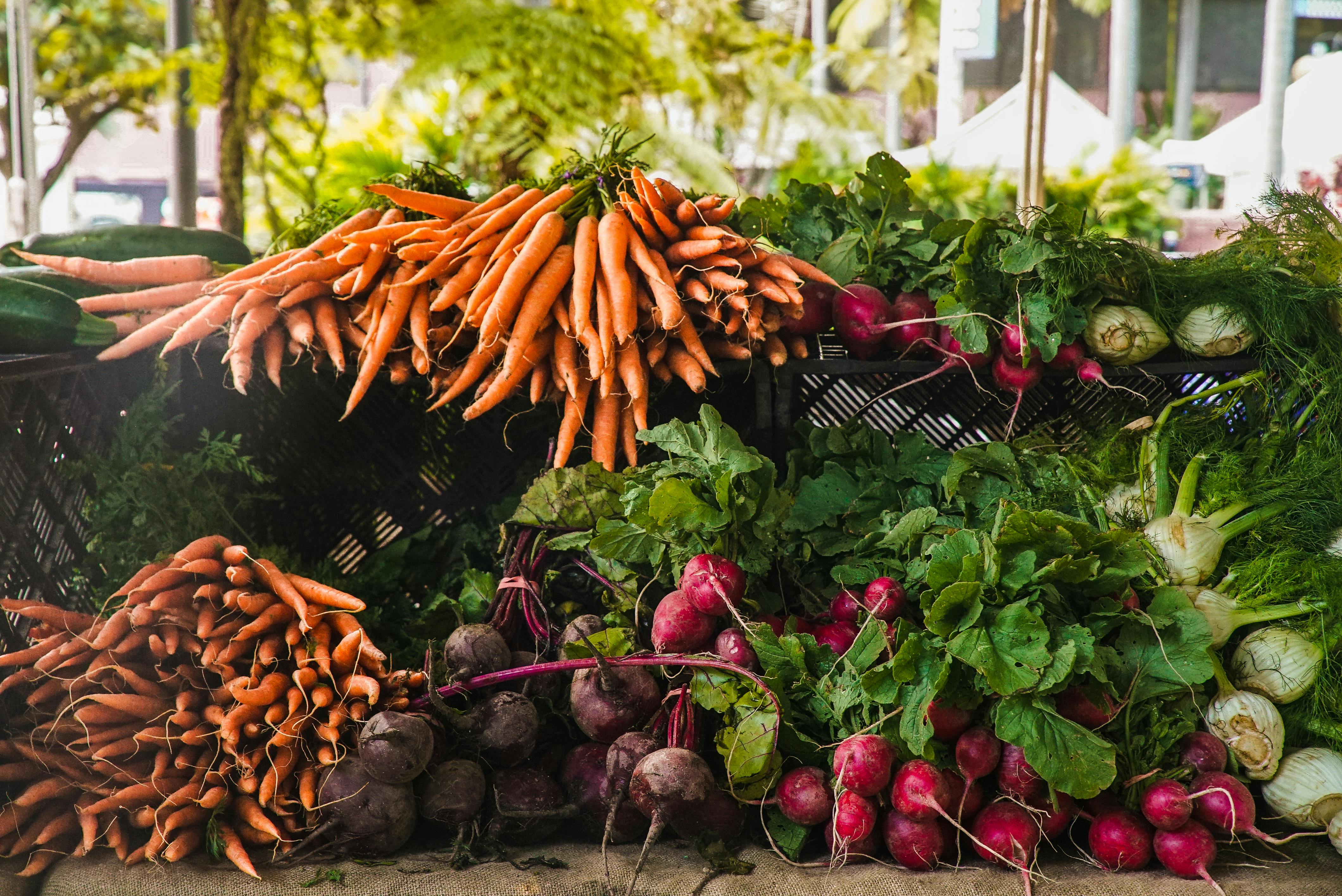
The best vegetables to grow on a balcony are compact crops that match your light, container depth, and wind exposure. Start with leafy greens, radishes, green onions, bush beans, dwarf tomatoes, peppers, patio cucumbers, compact eggplant, short carrots, and beets. A tiny balcony can still grow real food if the crop list is honest.
I like balcony vegetables because they force good decisions. You cannot hide ten bad choices in a small space. Every pot has to earn its floor space, and every plant has to fit the light you actually have, not the light a seed packet wishes you had.
Key Takeaways
- Fruiting crops usually need 6 or more hours of direct sun.
- Greens, scallions, and radishes are the easiest low-risk starters.
- Most big balcony crops need at least a 5-gallon container.
- Use potting mix, drainage holes, and supports before plants need them.
How Much Sun Does a Balcony Vegetable Garden Need?
Most fruiting vegetables need 6 or more hours of direct sun, while leafy crops tolerate less. Better Homes & Gardens notes that vegetables in containers generally need the same full sun and well-drained conditions as garden-grown vegetables. That makes sun mapping your first job.
Watch your balcony for one full sunny day before buying plants. Write down when direct sun first hits the floor or railing and when it leaves. East-facing balconies often get gentle morning sun. South and west balconies can be hotter, brighter, and windier. North-facing balconies usually work better for greens than tomatoes.
If you only get three to four hours of direct sun, start with lettuce, spinach, arugula, green onions, and herbs. If you get six to eight hours, you can try tomatoes, peppers, cucumbers, eggplant, beans, and compact root crops. If your balcony gets reflected heat from concrete or glass, give afternoon shade to greens before they bolt.
What Containers Work Best on a Balcony?
Balcony containers need drainage, enough root space, and a safe weight for the structure. Gardening Know How points out that container material affects heat and moisture, and that lightweight containers matter on balconies once they are filled with wet potting mix.
Use the biggest container you can safely manage, but do not forget weight. Wet potting mix, a mature tomato, a cage, and a ceramic pot can become heavy fast. If you rent, check building rules before hanging railing planters outside the balcony rail.
Every food container needs drainage holes. I also like saucers only when I can empty them after watering. Sitting water turns into root trouble and sometimes attracts pests. For a deeper dive into container material tradeoffs, see our terracotta vs plastic pots guide.
Vegetables to Grow on a Balcony: Quick Comparison
Choose balcony vegetables by matching crop size to sun and pot depth. The Spruce notes that vegetables can grow in containers when the container is large enough for the mature plant, with fruiting crops like tomatoes, peppers, eggplants, and cucumbers doing best in 5-gallon containers or larger.
| Crop | Best balcony light | Container guide | Why it works |
|---|---|---|---|
| Lettuce and salad greens | 4-6 hours, cooler light | 6-8 inches deep, wide box | Fast harvest, shallow roots |
| Spinach or chard | 4-6 hours | 8-10 inches deep | Cut leaves as needed |
| Radishes | 4-6 hours | 6-8 inches deep | Quick crop, low commitment |
| Green onions | 4-6 hours | 6-8 inches deep | Narrow, repeat harvest |
| Bush beans | 6+ hours | 10-12 inches deep | Compact and productive |
| Dwarf tomatoes | 6-8 hours | 5 gallons or larger | Best fruit crop for beginners |
| Peppers | 6-8 hours | 3-5 gallons | Compact, ornamental, edible |
| Patio cucumbers | 6-8 hours | 5 gallons plus trellis | Vertical crop saves floor space |
| Compact eggplant | 6-8 hours | 5 gallons | Great for hot balconies |
| Short carrots or beets | 5-6 hours | 10-12 inches deep | Good root crops in deep boxes |
Which Crops Should Beginners Start With?
Beginners should start with three forgiving crops: lettuce, radishes, and green onions. They fit shallow containers, give quick feedback, and do not need elaborate supports. That matters because the first balcony garden teaches watering and sun faster than any seed packet can.
Lettuce and salad greens
Lettuce is the friendliest balcony crop because it grows fast and lets you harvest outer leaves. Use a wide, shallow planter instead of a tall pot. Keep it evenly moist and give afternoon shade on hot balconies. For companion ideas around lettuce, use our lettuce companion plants guide.
Radishes
Radishes are useful because they tell you fast whether your balcony setup works. If seedlings stretch, they need more light. If roots split or turn woody, watering is uneven or the crop stayed too long. Sow a small patch every two weeks instead of filling the whole planter at once.
Green onions
Green onions are narrow, forgiving, and easy to tuck along the edge of a larger planter. They also make a balcony feel productive because you can cut what you need for meals. Do not crowd them into soggy soil, and keep the container close to the kitchen if possible.
Which Balcony Vegetables Need Bigger Pots?
Tomatoes, peppers, cucumbers, eggplant, and many beans need deeper containers because they grow larger root systems and heavier tops. Bigger pots also dry out more slowly, which matters on hot balconies. The Spruce specifically recommends 5-gallon containers or larger for fruiting crops like tomatoes and cucumbers.
Dwarf tomatoes
Choose words like patio, dwarf, bush, compact, or determinate on the plant tag. A full-size indeterminate tomato can overwhelm a balcony and punish you for one missed watering. Cherry and patio tomatoes are usually more forgiving. Add the cage at planting, not after the roots fill the pot.
If you already grow tomatoes, pair this with our tomato bad neighbors guide so you do not crowd incompatible crops into the same planter.
Peppers
Peppers love warmth, so they are a good match for sunny balconies. They still need steady moisture, drainage, and enough soil volume. Small hot peppers are often easier than large bell peppers in containers because they carry smaller fruit and stay tidier.
Patio cucumbers
Look for bush or patio cucumber varieties, then give them a trellis. This is where balcony gardening becomes vertical gardening. A cucumber that climbs uses less floor space and gets better air flow. For more food-growing ideas on walls and rails, see our vertical garden ideas.
How Do You Set Up the Balcony Before Planting?
Set up water, drainage, support, and wind protection before the plants arrive. BHG recommends choosing containers for the vegetable and using supports for tall or vining crops such as tomatoes and cucumbers. On a balcony, late supports are awkward because roots, rails, and narrow walkways get in the way.
If you want to compare balcony containers with another compact food layout, our square foot gardening guide shows how spacing, repeat sowing, and crop choice work in a tight bed.
- Check weight and rules: Keep heavy containers near structural edges or walls if your building guidance allows it.
- Use potting mix: Garden soil compacts in pots and drains poorly.
- Leave watering room: Fill containers slightly below the rim so water does not spill immediately.
- Install supports early: Add cages, stakes, or trellises while planting.
- Group by water needs: Greens and tomatoes do not always want the same rhythm.
- Plan access: Leave enough space to water, prune, and harvest without stepping over pots.
Balcony gardeners also need wind awareness. Wind dries pots, snaps stems, and can turn a top-heavy tomato into a problem. Use heavier containers for tall crops, tie trellises securely, and keep railing planters on the inside unless your building explicitly permits outside mounting.
How Should You Water Balcony Vegetables?
Watering is usually the hardest balcony skill because containers dry faster than garden beds. BHG says container vegetables may need water every few days or more often in hot, dry weather. In midsummer, a small pot on a windy balcony can need daily checking.
Use your finger or a wooden skewer instead of guessing from the surface. Water until moisture runs from the drainage holes, then empty saucers after a short wait. Shallow sprinkles encourage shallow roots and salt buildup. Deep, even watering gives roots a reason to fill the container.
If watering keeps failing, reduce the number of pots before buying gadgets. Three well-watered containers beat twelve half-dead ones. Self-watering planters can help, but they still need checks during heat waves.
What Balcony Mistakes Ruin the Harvest?
Most balcony vegetable failures come from mismatched light, undersized pots, or too many plants. The fix is boring but effective: choose compact varieties, give fruiting crops enough soil, and leave airflow between containers. A small balcony should feel edited, not packed.
- Growing beefsteak tomatoes in tiny pots: Choose dwarf or patio varieties instead.
- Ignoring reflected heat: Glass, concrete, and metal rails can cook containers.
- Skipping drainage: A pretty container without holes is not a vegetable pot.
- Crowding seedlings: Thin early so roots and leaves have space.
- Letting vines sprawl: Train cucumbers and beans upward from the start.
- Planting only one harvest date: Succession sow greens and radishes for repeat crops.
A Simple 30-Day Balcony Starter Plan
A beginner balcony garden should start small enough to manage for 30 days. That gives you time to learn the light, water rhythm, and wind pattern before summer stress peaks. Use three to five containers, not a full balcony makeover.
Week 1: Map sun, choose containers, buy potting mix, and set supports. Plant one box of greens, one row of radishes, one pot of green onions, and one larger container crop if you have enough sun.
Week 2: Check moisture daily. Thin seedlings while they are small. Rotate pots if one side grows faster. Add mulch to large containers if the surface dries too quickly.
Week 3: Add a second sowing of radishes or greens. Tie tomatoes, peppers, beans, or cucumbers before they lean. Watch for aphids, leaf spots, and heat stress.
Week 4: Begin light harvesting from greens and onions. Review what dried too fast, what stayed too wet, and what got enough light. Adjust before adding more crops.
Frequently Asked Questions
What vegetables grow best on a balcony?
The easiest balcony vegetables are lettuce, spinach, radishes, green onions, bush beans, dwarf tomatoes, peppers, patio cucumbers, compact eggplant, short carrots, and beets. Match each crop to your sun and pot depth.
How much sun do balcony vegetables need?
Tomatoes, peppers, cucumbers, eggplant, and beans usually need 6 or more hours of direct sun. Lettuce, spinach, radishes, and green onions can handle less, especially in hot weather.
Can vegetables grow on a north-facing balcony?
Yes, but choose lower-light crops. Try lettuce, spinach, arugula, green onions, and herbs first. Fruiting crops usually struggle unless the balcony gets strong reflected light.
How deep should balcony vegetable pots be?
Leafy greens can grow in 6-8 inches of mix. Tomatoes, peppers, cucumbers, eggplant, and bush beans are safer in 5-gallon or deeper containers with drainage.
Do balcony vegetables need fertilizer?
Yes. Containers lose nutrients through frequent watering. Start with fresh potting mix, then feed lightly and regularly once crops are growing. Follow the fertilizer label.
The best balcony garden is not the biggest one. It is the one you can water, reach, and harvest without turning the balcony into an obstacle course. Start with easy crops, let the space teach you, then add the ambitious plants once the basics are steady.

About the Author
Written by Sage Avery, a plant care writer at Plant Companion Guide. For how we create and update content, see our editorial policy.