Calathea Curling Leaves: 7 Causes and How to Fix Them
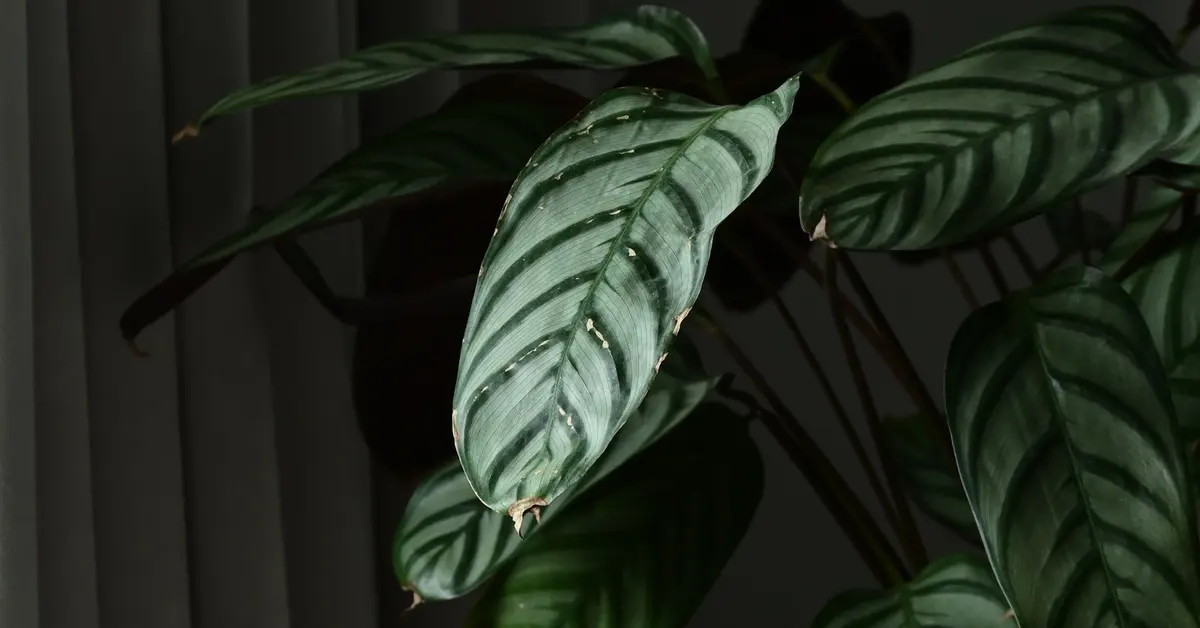
Calathea curling leaves usually point to dry soil or low humidity, but heat, cold, wet roots, mineral buildup, and pests can look similar. Check the potting mix first, then inspect the leaf undersides and the plant's position. The pattern around the curl tells you which fix is most likely to help.
Many plants sold as Calathea now belong to the genus Goeppertia, but shops and growers still use the familiar common name. These prayer-family plants also move their leaves between day and night. That normal folding is not the same as a leaf blade staying rolled, tight, or crisp throughout the day.
Key Takeaways
- Feel below the soil surface before assuming a curled leaf needs water.
- Soft inward curls suggest water loss; yellow curls in wet mix point toward root stress.
- Stable humidity and temperature matter more than occasional misting.
- Old damage may remain, so judge the fix by the next leaf.
Why Are My Calathea Leaves Curling?
Start with the root zone because a thirsty plant and a plant with damaged, waterlogged roots can both curl. The NC State Extension profile for Goeppertia warszewiczii specifically links curling to lack of water and low humidity. It also warns that overwatering can cause root rot, which reduces the roots' ability to supply the leaves.
I use a four-part check before changing anything: soil feel, pot weight, leaf texture, and room conditions. This prevents the common mistake of watering wet roots because the leaves look thirsty. Use the table to narrow the cause, then confirm it in the detailed sections below.
| What you see | Most likely check | First response |
|---|---|---|
| Soft inward curl, dry mix, light pot | Underwatering | Water the root ball thoroughly and let it drain |
| Curled edges with crisp brown tips | Low humidity or mineral stress | Measure humidity and review water quality |
| Pale, scorched, window-facing curl | Direct sun or excess heat | Move behind a sheer curtain or back from glass |
| Curl after a cold night or draft | Temperature shock | Move away from cold glass and vents |
| Yellow curl, wet mix, soft lower stems | Overwatering or root damage | Stop watering and inspect drainage and roots |
| White stippling, bronzing, or fine webbing | Spider mites | Isolate the plant and inspect with bright light |
| Leaves lift at night and flatten by day | Normal prayer movement | No correction needed |
What Causes Calathea Curling Leaves?
Seven causes account for most persistent curls, and several can occur together. A heater may dry both the room and the pot, while strong sun can raise leaf temperature and speed water loss. Look for the full symptom pattern instead of choosing a cause from the curl alone.
1. The potting mix became too dry
Dry mix is the first thing to test when leaves curl inward but still feel soft. Push a finger or clean wooden skewer below the surface and lift the pot. If the root ball is dry and light, water slowly until the whole mix is moist and excess leaves the drainage holes.
A mix that has pulled away from the pot may send water straight down the gap without wetting the center. Apply water in two or three slow passes, or briefly soak the nursery pot from below, then let it drain. Compare symptoms in the overwatering vs underwatering guide if the leaf texture and soil evidence disagree.
2. The air is too dry
Low humidity increases water loss from foliage, so leaves may roll inward even while the mix remains slightly moist. NC State recommends humidity above 60 percent for jungle velvet Calathea, while the RHS Calathea growing guide describes these plants as lovers of warm, humid conditions. Cultivars vary, but repeated winter curls beside a heater are a strong clue.
Use a hygrometer before buying equipment. A room humidifier provides steadier control than misting, and grouping plants can soften brief swings. Keep enough space for air movement, and never let a humidity tray hold the pot base in water.
3. Strong sun or hot glass is stressing the leaf
Calatheas prefer bright, filtered light, not a hot beam through summer glass. Sun stress usually affects the window-facing side first. Watch for pale areas, tan scorch, or curled margins on the most exposed leaves. Move the plant behind a sheer curtain or farther from the window, then judge the next growth.
Do not move it into a dark corner as an overcorrection. The RHS recommends bright indirect light, with a north- or east-facing position as a useful summer starting point. Light changes with season, window size, nearby buildings, and latitude, so observe the plant rather than relying on the compass direction alone.
4. A cold draft or abrupt temperature change hit the plant
Cold glass, open doors, and air-conditioning vents can trigger a sudden curl. The RHS suggests a stable 61 to 70°F (16 to 21°C) range and advises keeping Calatheas away from drafts and direct heat. NC State gives 65 to 75°F for jungle velvet Calathea, which reinforces the value of a steady room rather than a perfect single number.
Move the plant without repeatedly changing every care factor. Keep leaves from touching cold glass, and avoid placing the replacement spot beside a radiator. A stable position helps you tell whether temperature was the real cause.
5. Wet roots cannot supply the leaves properly
Overwatering can produce curling when oxygen-poor roots begin to fail. The clues are different from simple thirst: the mix stays wet, older leaves yellow, lower stems may soften, and the pot may smell sour. Stop adding water and empty any cachepot or saucer. If the mix remains saturated, inspect the root ball.
Healthy roots are firm. Brown, soft, collapsing roots need removal with clean tools before repotting into a fresh, airy mix. Our houseplant soil guide explains how drainage, aeration, and moisture retention work together. A Calathea needs even moisture, but it should never stand in water.
6. Salts or sensitive water are damaging the margins
Mineral stress more often causes brown tips than a whole rolled leaf, but the two symptoms can appear together. NC State notes that fluoride in tap water can brown Calathea edges and recommends distilled water or rainwater for sensitive plants. The RHS says tap water may be used after standing for 24 hours, while rainwater remains preferable.
If your plant has crisp tips but healthy roots, test one change at a time. Switch to rainwater, distilled water, or another low-mineral source for several waterings. Do not trim into green tissue, and do not expect damaged margins to turn green again.
7. Spider mites or other pests are distorting growth
Pests become more likely when curling comes with pale stippling, bronzing, sticky residue, distorted new growth, or fine webbing. Inspect both leaf surfaces and the points where petioles meet the plant. Tap a leaf over white paper and watch for moving specks.
UC IPM's houseplant diagnostic guide notes that low indoor humidity favors mites and describes their light-colored stippling and webbing. Isolate an affected plant. Wash the foliage where practical, reduce dust, and use a horticultural oil or insecticidal soap only when its label permits use on the plant. Test any product on a small area first.
How Do You Fix Calathea Curling Leaves?
Fix the confirmed stress first, then hold the routine steady. Calatheas often react badly when watering, light, humidity, fertilizer, and potting mix all change at once. A focused reset gives the roots and next leaf a better chance to respond.
- Confirm moisture below the surface. Water a dry root ball fully, but leave wet mix alone.
- Stabilize the position. Use bright indirect light, avoid hot sun, and keep the plant away from vents and cold glass.
- Measure humidity. If the room remains dry, use a humidifier or a more suitable room instead of frequent misting.
- Inspect for pests. Check undersides, new growth, and nearby plants before treating.
- Pause fertilizer during stress. Resume modest feeding only after healthy growth restarts.
Give a recently adjusted plant time to show a direction. A thirsty plant may relax quickly, but recovery from root stress or pest damage takes longer. Photograph the same leaf and the newest emerging leaf once a week. That record is more reliable than memory.
What Calathea Care Routine Prevents New Curling?
A prevention routine keeps moisture, light, temperature, and root aeration within a workable range. It does not require a rigid watering schedule. The RHS advises even moisture through the growing season, slightly drier surface conditions in winter, free drainage, bright indirect light, and protection from temperature swings.
- Light: bright and filtered, with protection from strong direct sun.
- Water: check the mix and pot weight, then water fully and drain.
- Humidity: measure the room and correct persistent dryness, especially in heated seasons.
- Soil: use a moisture-retentive but free-draining houseplant mix.
- Pot: keep open drainage holes and remove standing runoff.
- Feeding: use a balanced houseplant fertilizer during active growth at the label rate.
- Inspection: clean and examine leaf undersides before a pest population spreads.
Different Calatheas tolerate imperfect rooms differently. The Calathea Orbifolia, Ornata, and White Fusion comparison helps match a cultivar to your light and humidity instead of forcing a demanding plant into the wrong spot.
Is the Curl Normal Prayer-Plant Movement?
Leaves lifting or folding at night can be normal nyctinasty, a daily movement found in the prayer plant family. The RHS describes this habit as leaves opening in daylight and flexing upward at night. Healthy movement changes with the light cycle and does not leave the blade dry, creased, or permanently rolled.
Check the plant at the same times for two days. If leaves open during the day, the mix feels appropriate, and no damage accompanies the movement, leave the routine alone. Persistent daytime curling, crisp margins, yellowing, webbing, or a deteriorating new leaf deserves a closer diagnosis.
Will Damaged Calathea Leaves Recover?
Recently curled leaves may flatten when thirst, humidity, or temperature improves, but dead tissue will not repair. Keep a damaged leaf while it remains mostly green because it still supports the plant. Trim only a fully brown leaf or a badly damaged section with clean scissors.
The strongest recovery sign is a new leaf that unfurls flat, holds its color, and avoids fresh edge damage. One good leaf does not prove every issue is solved, but it shows the plant can grow under the current routine. Continue changing only one factor at a time.
Frequently Asked Questions
Why are my Calathea leaves curling?
Calathea leaves most often curl because the potting mix is too dry or the air is too dry. Heat, direct sun, cold drafts, damaged roots, mineral buildup, and pests can create a similar shape. Check soil moisture, temperature, leaf undersides, and root-zone drainage before changing the routine.
Will curled Calathea leaves uncurl?
Soft leaves that curled recently from thirst or dry air may relax after conditions improve. Leaves with crisp margins, bleached tissue, pest scarring, or permanent creases will not fully repair. Keep them while they remain mostly green, then judge recovery by healthy new leaves.
Should I mist a Calathea with curling leaves?
Misting gives only a short humidity change and does not fix dry soil, wet roots, temperature stress, or pests. Measure the room first. If the air stays dry, use a humidifier or a naturally humid room while preserving airflow and keeping foliage from remaining wet.
Are Calatheas safe for cats and dogs?
The ASPCA lists Calathea species as non-toxic to cats and dogs. Non-toxic plants can still cause stomach upset when chewed, and fertilizers or pest products may add separate risks. Keep care products secured and contact a veterinarian if a pet develops symptoms.
Start With the Soil, Then Read the Pattern
Calathea curling leaves are a symptom, not a diagnosis. Check the root zone first, then compare humidity, light, temperature, water quality, and pest evidence. Correct the factor supported by the full pattern and leave the rest of the routine steady. The old leaf may keep its scars, but healthy new growth will tell you when the plant is comfortable again.

About the Author
Written by Sage Avery, a plant care writer at Plant Companion Guide. For how we create and update content, see our editorial policy.