Monstera Yellow Leaves Help
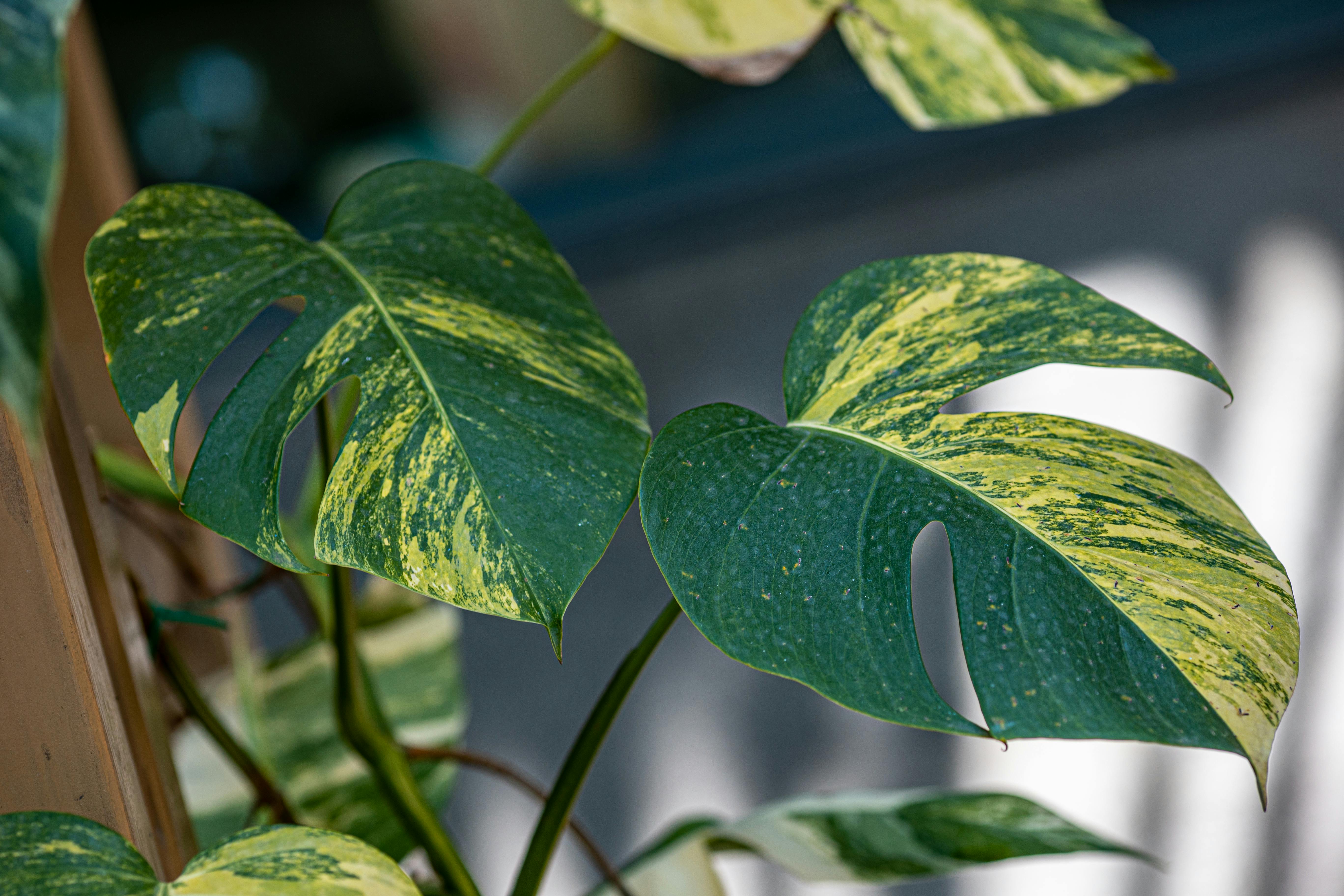
My Monstera deliciosa started turning yellow in a hurry the first winter I owned it (USDA zone 6). I assumed it needed fertilizer—then I realized the soil was staying wet for ages in a cool corner. Once I learned to read the yellowing pattern, I stopped treating every yellow leaf like the same problem.
Monstera Leaves Turning Yellow: Causes, Fixes, and When to Worry
Yellow leaves can be normal aging, but multiple leaves yellowing at once is a signal to troubleshoot. This is especially true for large monsteras and slow-growing variegated types like ‘Thai Constellation’, which react strongly to changes in light and watering.
Step one: read the pattern before you act
I ask three questions: Is it the oldest leaf only? Is the soil wet or dry? Is the plant getting enough bright indirect light? For general houseplant health cues like these, I like starting with broad guidance from the Royal Horticultural Society, then tailoring it to my home’s conditions.
The most common causes I see indoors
Overwatering or slow-drying soil
If the pot stays wet 7–10+ days, roots can’t breathe. I increase light/airflow and switch to a chunkier mix if needed.
Not enough light
Low light slows water use and makes overwatering easier. If you’re unsure what “bright indirect” looks like, see bright indirect light meaning.
Acclimation shock
Moving homes, changing windows, or repotting can trigger temporary yellowing while roots adjust.
My fix-it order (so I don’t overcorrect)
First, I check moisture 2–3 inches down and confirm drainage is working. Next, I move the plant into bright indirect light and stop fertilizing until growth stabilizes. If I need a reality check on seasonal plant behavior in my region, I lean on practical, climate-aware resources like University of Minnesota Extension for indoor-growing fundamentals.
When yellow leaves mean “check the roots”
If yellowing spreads quickly, the soil smells sour, or stems feel soft, I unpot and inspect. That’s when yellow leaves become a root-health issue, not a leaf issue. If you suspect rot, use root rot early signs to guide your next steps.
Outdoor timing note (for summering monsteras)
If you move your Monstera outside for summer, do it gradually and only when nights are warm and stable. Knowing your climate helps; use the USDA Plant Hardiness Zone Map to understand what “warm season” looks like where you live.
Common Mistakes
- Fertilizing immediately when leaves yellow
- Watering again because leaves look droopy
- Keeping a large monstera in an oversized pot
- Leaving the nursery pot sitting in water inside a cachepot
- Moving it into harsh direct sun as a “light fix”
- Ignoring pests on the undersides of leaves
Quick Reference Care Table
| Yellowing Pattern | Likely Cause | What I Do | How Fast It Improves |
|---|---|---|---|
| One oldest leaf | Normal aging | Monitor only | Days–1 week |
| Several leaves + wet soil | Overwatering/slow dry | Dry down + airy mix | 1–3 weeks |
| Yellow + crispy edge | Sun/dry air/salts | Filter light + flush soil | 2–4 weeks |
FAQ
Should I cut off yellow Monstera leaves?
If the leaf is fully yellow, yes. If it’s partly yellow and the plant is stressed, I sometimes wait until it’s mostly yellow so the plant can reclaim nutrients.
Can low light cause yellowing?
Indirectly, yes. Low light slows water use, which can keep soil wet longer and stress roots—often leading to yellow leaves.
Is yellowing normal after repotting?
It can happen. I keep light and watering steady and avoid fertilizing for a few weeks while roots settle.
Monstera yellow leaves are usually a “setup” issue—water + light + pot size working together. Drop your window direction and how long your soil stays wet in the comments below, and I’ll help you narrow the cause.

About the Author
Written by Sage Avery, a plant care writer at Plant Companion Guide. For how we create and update content, see our editorial policy.